
The hours after the Chicago Fire Department releases your home are some of the most disorienting you will ever experience. Even small kitchen fires leave behind smoke residue in every room, water from suppression efforts pooled across multiple floors, and damaged contents that may or may not be salvageable. The decisions you make in the first 24 hours have an outsized effect on the final cost, the timeline, and how much of your personal property you can save.
This is the practical version: what to do tonight, what to leave alone, how to engage your carrier, and what professional fire restoration actually involves under the IICRC S700 framework in Chicago.
Hour one: stabilize and document
Do not re enter a fire damaged structure until Chicago Fire Department releases it. Once cleared, board up openings, tarp any compromised roof sections, and photograph everything before any cleaning begins. Carriers settle faster on losses that are documented in their original state.
Smoke and soot are corrosive
Acidic soot residues etch brass, copper, aluminum, and electronics within 48 hours. Synthetic combustion residues (from plastics, polyurethane foam) bond to glass and porcelain within a week. Speed matters.
- HEPA vacuum loose particulate before any wet cleaning.
- Dry sponge walls and ceilings to lift dry soot without smearing.
- Use solvent or alkaline cleaners only after the dry phase is complete.
- Pack out salvageable contents to a dedicated cleaning facility.
Deodorization, not masking
Real fire deodorization is a sequence: source removal, surface cleaning, thermal fogging or hydroxyl treatment, sealing of structurally affected substrates. A fragrance spray over uncleaned smoke residue lasts about two weeks then the smell returns.
Insurance and the rebuild
Most Chicago homeowner policies cover fire under standard perils. We document, scope, and bill Xactimate line items directly to your carrier. You handle your deductible and we handle the rest, from emergency board up through final reconstruction.
The first 24 hours
Once the structure is released, secure the property. Chicago Public Works will not board up your home for you, but a 24/7 restoration company can have plywood and tarp on site within hours. Take wide angle photos of every room before any cleanup. Pull irreplaceable items (photo albums, hard drives, medications, important documents) and stage them off site.
Do not run the HVAC. The blower will pull soot deeper into ducts and across every interior surface that did not initially see smoke. Shut it off at the breaker if needed.
What professional fire restoration actually does
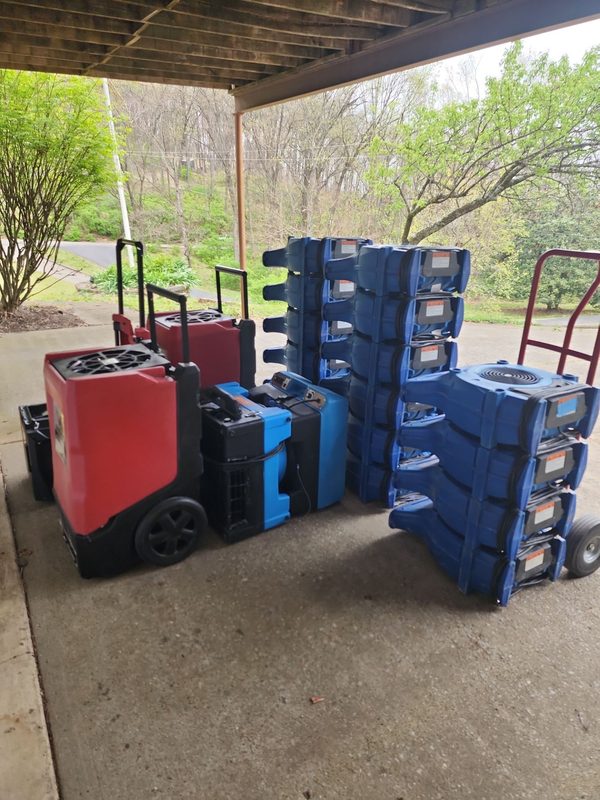
IICRC certified fire restoration follows a sequence: stabilize the structure, remove water from suppression, isolate and treat soot using residue-specific methods (dry soot vs wet soot vs protein residue each require different chemistry), pack out salvageable contents for off-site cleaning, deodorize the structure using hydroxyl or thermal fogging, then rebuild what cannot be saved. Skipping the soot-typing step is the single most common reason an inexperienced cleanup leaves permanent damage behind.
The bottom line
A fire is traumatic enough without compounding the loss through avoidable mistakes in the first day. Secure the property, document everything, leave the soot alone, and engage your carrier and an IICRC certified restoration team early. The path back to move-in ready is shorter and cheaper when the right hands touch the property first.
Fire damage in your home? Call IRS Chicago 24/7 at (630) 696-9802.
Call (630) 696-9802