
Ice dams are not just a New England problem. Every Chicago winter that combines a heavy snowfall with sustained sub-freezing temperatures produces a wave of ice dam ceiling leaks across Cook and DuPage counties. The mechanism is simple physics: heat escaping through under-insulated attics melts the snow on the upper roof, the meltwater runs down to the cold eave overhang, refreezes, and dams up. The next thaw pushes water uphill under the shingles and through the roof deck into the ceiling below.
By the time you see a yellow ring on the bedroom ceiling, the attic insulation directly above is already saturated. This guide explains why Chicago specifically gets ice dams, what to do tonight if you spot one forming, and the permanent fixes that prevent recurrence.
How ice dams form
An ice dam forms when warm attic air melts snow on the upper roof, the meltwater runs down to the cold eave, and refreezes. The growing ice ridge backs liquid water up under the shingles. Asphalt shingle roofs are designed to shed water flowing down, not water sitting still, so it enters the attic.
Prevention
- Seal attic air leaks from the conditioned space (recessed lights, top plates, plumbing penetrations).
- Add attic insulation to a minimum R-49 for the Chicago climate zone.
- Confirm soffit and ridge ventilation is balanced and unblocked.
- Install heat cable along problem eaves if architectural geometry traps snow.
When the ceiling leaks
Place buckets, move contents, and photograph everything. Do not try to chip ice off your own roof with a hammer or pick, you will damage the shingles and yourself. Call IRS Chicago at (630) 696-9802 for safe steam based ice dam removal and interior water mitigation.
Why Illinois's freeze-thaw cycle is uniquely bad for roofs
Chicagoland averages roughly 50 to 70 freeze-thaw cycles per winter, more than almost any northern state. Each cycle stresses the roof envelope. Ice dams form most often during a 36 to 72 hour cold snap that follows an 8 inch plus snowfall, both of which are routine in February in Chicago.
What restoration looks like for an ice dam leak
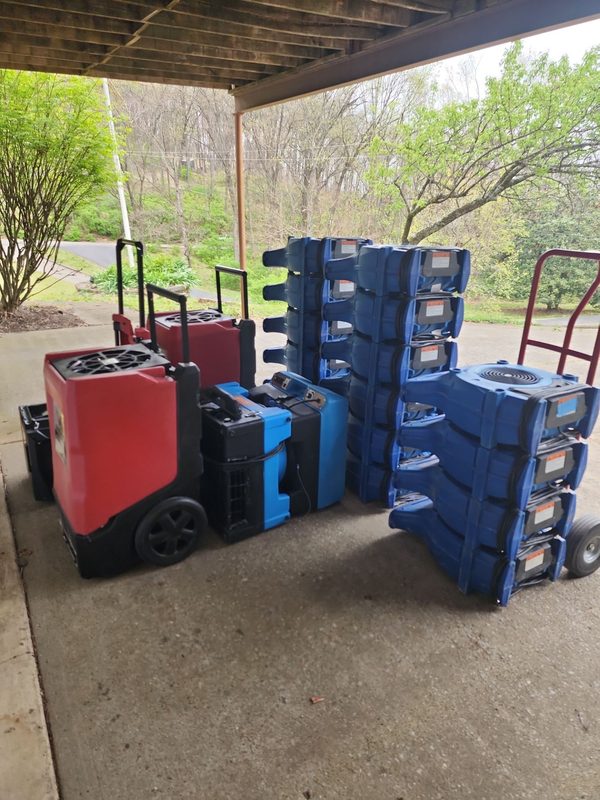
Once water has come through the ceiling, the sequence is: pull saturated insulation above the leak, dry the framing and drywall in place with commercial air movers and dehumidifiers, treat for microbial growth, and rebuild ceiling drywall and texture. Most ice dam losses are covered by Illinois homeowner policies as sudden and accidental water damage, but documentation matters because carriers sometimes try to classify them as maintenance.
The bottom line
Ice dam ceiling leaks are one of the most preventable winter losses in Chicago. Air seal your attic, get to R-49 of insulation, and balance soffit and ridge ventilation. If you already see one forming, address it from the ground tonight and call a professional before the next thaw.
Ice dam ceiling leak? Call (630) 696-9802.
Call (630) 696-9802